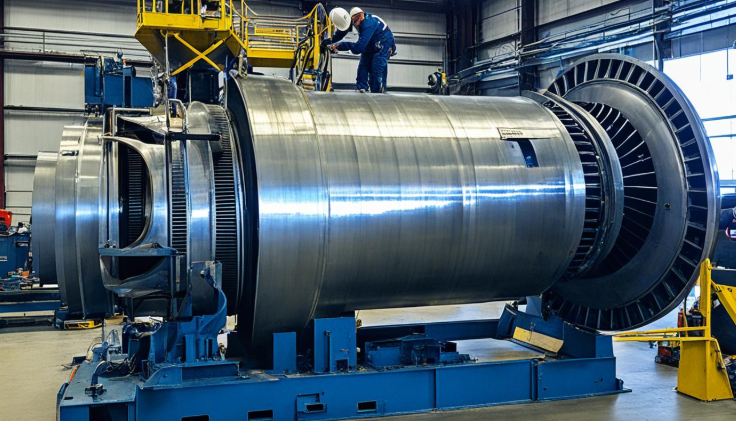

Gas turbines are the backbone of modern power generation, industrial processes, and critical infrastructure. From electricity generation in utility plants to mechanical drives in oil and gas operations, the efficiency and reliability of gas turbines are paramount. Ensuring peak performance requires regular inspection, servicing, and repair of critical components such as rotors, blades, fuel nozzles, and auxiliary systems. This is where gas turbine maintenance companies play a vital role. These specialized service providers help operators maximize turbine performance, reduce downtime, and extend equipment lifespan.
The Importance of Gas Turbine Maintenance
Gas turbines operate under extreme conditions, including:
- High temperatures exceeding 1,000°C in the combustion chamber
- High rotational speeds generating significant mechanical stress
- Exposure to dust, moisture, and fuel impurities in industrial environments
These factors make turbines prone to wear, corrosion, thermal fatigue, and mechanical damage. Without regular maintenance, even minor issues can escalate into major failures, leading to costly downtime, reduced efficiency, and potential safety hazards.
Maintenance is critical for:
- Reliability: Preventing unexpected shutdowns and ensuring continuous power supply.
- Efficiency: Maintaining optimal combustion, airflow, and rotor balance.
- Safety: Reducing risks associated with mechanical or thermal failures.
- Longevity: Extending the operational life of the turbine and its components.
See also: Bookkeeping Services in Brisbane: Streamlining Finances for Business Growth
Types of Gas Turbine Maintenance Services
Gas turbine maintenance companies offer a range of services to keep turbines operating efficiently. These services can be broadly categorized into routine, preventive, predictive, and corrective maintenance.
1. Routine Maintenance
Routine maintenance involves scheduled inspections and minor servicing tasks to ensure turbines operate smoothly. Typical activities include:
- Visual inspections for wear, corrosion, and leaks
- Lubrication of bearings and moving parts
- Cleaning of fuel nozzles, filters, and air intake systems
- Checking vibration levels and rotor alignment
- Replacing worn gaskets, seals, and consumables
Routine maintenance is essential for identifying early warning signs of potential issues and preventing unexpected failures.
2. Preventive Maintenance
Preventive maintenance is a proactive approach to reduce the likelihood of failures and extend turbine life. It includes:
- Detailed inspection of blades, vanes, and rotor components
- Non-destructive testing (NDT) for cracks, corrosion, or fatigue
- Overhauling bearings, seals, and auxiliary systems
- Balancing and alignment of rotors
- Replacing critical components before they fail
Preventive maintenance is typically scheduled based on operating hours, fuel type, and environmental conditions. It helps operators avoid emergency shutdowns and maintain consistent performance.
3. Predictive Maintenance
Predictive maintenance uses advanced monitoring and diagnostic tools to anticipate component failure. Techniques include:
- Vibration analysis to detect rotor imbalance or misalignment
- Thermography to identify overheating or insulation breakdown
- Oil analysis to detect bearing wear and contamination
- Performance monitoring to track efficiency changes over time
By leveraging predictive maintenance, companies can plan repairs, reduce unplanned downtime, and optimize the lifecycle of turbine components.
4. Corrective Maintenance
Corrective maintenance is performed after a fault or failure occurs. Gas turbine maintenance companies handle:
- Emergency repairs for damaged blades, rotors, or combustion components
- Fuel system repairs, including nozzle replacement or refurbishment
- Bearing or seal replacements
- Rotor balancing and alignment corrections
- Troubleshooting complex control or auxiliary system issues
Corrective maintenance is typically more costly than routine or preventive maintenance, underscoring the importance of proactive servicing.
Components Serviced by Gas Turbine Maintenance Companies
Gas turbine maintenance companies specialize in servicing all major components, including:
1. Rotors and Shafts
- Inspected for cracks, wear, and misalignment
- Balancing and reconditioning to prevent vibration
- Repairs or replacement of key sections if necessary
2. Blades and Vanes
- Turbine blades are exposed to extreme heat and high-velocity gases
- Maintenance includes cleaning, inspection, coating, and, if needed, replacement
- Ensures efficient energy conversion and prolongs turbine life
3. Fuel Systems
- Fuel nozzles and injectors are cleaned or refurbished
- Combustion chambers inspected for hot spots or damage
- Ensures proper fuel atomization, combustion efficiency, and reduced emissions
4. Seals and Bearings
- Bearings are inspected, lubricated, or replaced to maintain smooth rotation
- Labyrinth and shaft seals are checked to minimize leakage and maintain efficiency
5. Auxiliary Systems
- Control systems, sensors, actuators, and valves are calibrated and serviced
- Monitoring systems are checked for accuracy and reliability
Benefits of Hiring Gas Turbine Maintenance Companies
Partnering with a specialized maintenance company offers multiple advantages:
1. Expertise and Experience
- Technicians have in-depth knowledge of turbine design, materials, and operating conditions
- Expert diagnostics help identify subtle issues before they escalate
2. Access to Advanced Equipment
- Precision tools, CNC machines, and NDT equipment allow accurate inspection and repair
- Ensures restored components meet OEM specifications
3. Reduced Downtime
- Skilled technicians can perform on-site repairs quickly
- Pre-stocked parts and emergency support minimize operational interruptions
4. Cost Efficiency
- Preventive and predictive maintenance reduces expensive emergency repairs
- Properly maintained turbines operate at peak efficiency, lowering fuel costs
5. Compliance and Safety
- Maintenance companies ensure adherence to safety standards, regulations, and OEM guidelines
- Reduces the risk of accidents, failures, and regulatory penalties
6. Lifecycle Optimization
- Regular maintenance maximizes turbine operational life
- Delays capital expenditure for replacement equipment
Choosing the Right Gas Turbine Maintenance Company
Selecting a reliable maintenance partner is crucial. Key factors to consider include:
1. Experience and Track Record
- Look for companies with a proven history in servicing the specific turbine model or type
- Check client references, case studies, and industry certifications
2. OEM Certification and Compliance
- Certified maintenance providers meet OEM specifications
- Ensures parts, processes, and procedures align with manufacturer requirements
3. Comprehensive Service Offerings
- Full-service providers handle inspection, maintenance, repair, and refurbishment of all turbine components
- Reduces the need for multiple contractors and simplifies project management
4. Technical Support and Training
- Companies offering technical guidance and training improve in-house maintenance capabilities
- Helps operators troubleshoot issues quickly and maintain optimal performance
5. Global Reach and Spare Parts Availability
- Maintenance companies with a wide network provide faster access to replacement parts
- Reduces lead times and minimizes downtime during emergency repairs
Emerging Trends in Gas Turbine Maintenance
The industry is evolving with technology and service innovations:
- Predictive Analytics: Using sensors and data analytics to forecast component wear and schedule proactive maintenance
- Digital Twin Technology: Virtual replicas of turbines allow simulations to optimize performance and predict failures
- Remote Monitoring: Real-time monitoring of turbine performance for early fault detection
- Sustainable Practices: Refurbished and remanufactured components reduce environmental impact
- Global Service Networks: Ensure rapid support and parts availability worldwide
Conclusion
Gas turbines are complex machines that require meticulous maintenance to ensure reliability, efficiency, and safety. Gas turbine maintenance companies play a critical role in keeping turbines operational by offering routine, preventive, predictive, and corrective maintenance services. By servicing critical components such as rotors, blades, fuel nozzles, bearings, and auxiliary systems, these companies help operators minimize downtime, reduce operational costs, and extend turbine lifespan.
Choosing the right maintenance partner involves evaluating experience, OEM certification, technical expertise, spare parts availability, and comprehensive service offerings. Incorporating predictive analytics, digital monitoring, and sustainable practices further enhances turbine performance and operational efficiency.
For industrial plants, power generation facilities, and critical infrastructure, partnering with a reliable gas turbine maintenance company is not just a convenience—it is a strategic investment that ensures long-term operational success, cost efficiency, and safety.


 By
By