
Owning property is one of the most significant investments many people make in their lifetime. Whether it is a family home, rental property, commercial building, or development site, protecting that investment requires informed decisions and proactive maintenance. In Adelaide, where properties range from historic stone cottages to modern architectural builds, engaging a building inspector is not just a precaution—it is an essential step in responsible property ownership.
A building inspector provides an independent, professional assessment of a property’s condition, helping owners identify structural issues, safety concerns, maintenance needs, and compliance matters. For anyone who owns or plans to own property in Adelaide, understanding the value of a building inspection can make a substantial difference in long-term outcomes.
Understanding the Role of a Building Inspector
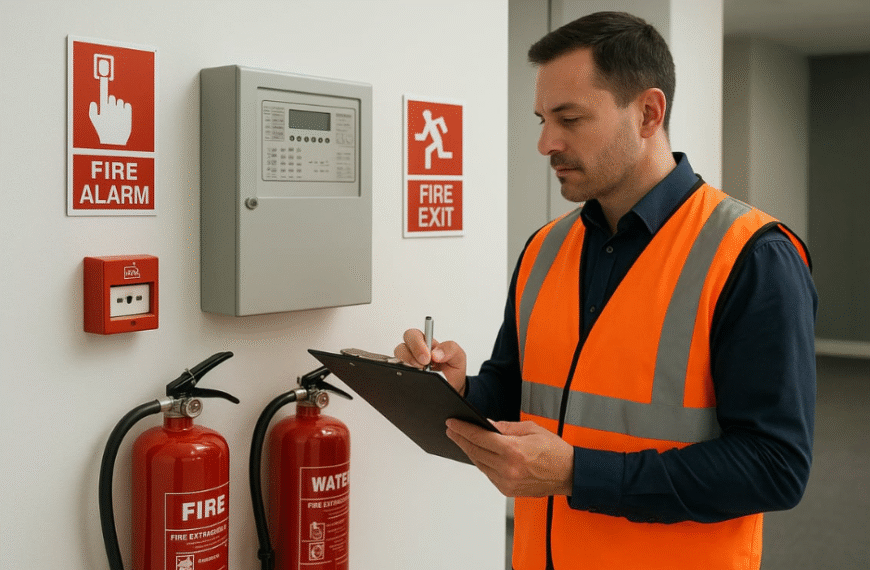
A building inspector in Adelaide is a qualified professional trained to assess the physical condition of a property. Their work involves conducting detailed visual examinations of accessible areas within a building to identify defects, deterioration, and potential risks. With an understanding of local construction methods, environmental conditions, and regional building standards, a building inspector in Adelaide provides property owners with valuable insight into the overall safety, integrity, and condition of their property.
In Adelaide, building inspectors commonly assess:
- Structural components such as foundations, walls, floors, and roofs
- Exterior elements including cladding, gutters, and drainage systems
- Interior areas such as ceilings, windows, doors, and wet areas
- Signs of moisture, movement, or deterioration
- Visible compliance with relevant building standards
The inspector’s findings are documented in a structured report that outlines observations and highlights areas that may require attention. This information empowers property owners to make informed decisions.
Adelaide’s Unique Property Landscape
Adelaide’s property market is diverse, and this diversity makes inspections particularly important. The city features a mix of:
- Heritage-listed homes with aging materials
- Post-war suburban houses
- Contemporary developments
- Coastal properties exposed to marine conditions
- Hills properties affected by soil movement
Each of these property types presents distinct challenges. For example, older homes may have outdated construction methods or materials that have deteriorated over time. Coastal homes may face corrosion issues due to salt exposure. Properties in certain Adelaide regions may experience soil reactivity that affects foundations.
A building inspector familiar with local conditions understands these regional factors and can assess how they impact a property’s condition.
Protecting Your Investment
Property ownership involves ongoing responsibility. Small issues left undetected can gradually develop into major structural or safety concerns. A building inspection helps identify problems early, allowing owners to address them before they escalate.
Common issues that inspections may reveal include:
- Cracks in walls or foundations indicating structural movement
- Water damage from roof leaks or poor drainage
- Timber decay or deterioration
- Inadequate ventilation in roof spaces
- Faulty workmanship from previous renovations
By identifying these issues early, property owners can prioritise maintenance and avoid unexpected complications.
See also: Energy Suppliers Alberta: How to Choose the Right Provider for Your Home
Ensuring Safety for Occupants
Safety is one of the most critical reasons to engage a building inspector. Structural weaknesses, deteriorated materials, or overlooked hazards can pose risks to occupants.
Inspectors evaluate visible safety elements such as:
- Staircases and handrails
- Balconies and balustrades
- Ceiling stability
- Trip hazards
- Signs of significant structural instability
For landlords and property managers in Adelaide, ensuring tenant safety is particularly important. A building inspection can highlight areas requiring attention to maintain a safe living or working environment.
Supporting Informed Buying Decisions
For individuals purchasing property in Adelaide, a building inspection is an essential step before finalising a transaction. While a property may appear well-maintained during an open inspection, underlying issues are not always immediately visible.
A pre-purchase building inspection provides:
- A clearer understanding of the property’s true condition
- Insight into potential future maintenance needs
- Evidence to support negotiations
- Greater confidence in the purchase decision
Buyers who understand the condition of a property are better positioned to plan ahead and avoid unforeseen surprises after settlement.
Helping Sellers Maintain Transparency
Property sellers can also benefit from building inspections. Conducting an inspection prior to listing can identify issues that might otherwise delay or complicate a sale. Addressing concerns early or disclosing them transparently can foster trust between parties.
In Adelaide’s competitive property market, transparency and preparedness can contribute to smoother transactions and fewer last-minute obstacles.
Managing Renovations and Extensions
Many property owners in Adelaide undertake renovations or extensions to improve comfort, functionality, or value. Before beginning major works, a building inspection can help assess the current structural condition of the property.
Understanding the existing framework allows owners and builders to:
- Identify structural limitations
- Plan modifications more effectively
- Ensure compatibility with existing materials
- Reduce the likelihood of unexpected structural issues
Inspections can also be useful after renovation work to confirm that visible elements appear to meet expected standards.
Compliance with Building Standards
Building regulations and construction standards exist to promote safety, durability, and functionality. While a building inspector does not replace official regulatory authorities, they can help identify visible compliance concerns or questionable workmanship.
This is particularly relevant for:
- Newly completed properties
- Properties that have undergone recent alterations
- Older homes where modifications may not have been documented
Understanding whether a property aligns with general construction standards can prevent complications later.
Addressing Environmental and Weather Impacts
Adelaide’s climate can influence building condition over time. Hot summers, fluctuating temperatures, and seasonal rainfall can impact roofing materials, foundations, and external finishes.
Building inspectors look for signs of weather-related damage such as:
- Roof tile displacement
- Deteriorated sealants
- Moisture ingress around windows
- Cracking caused by soil movement
Coastal areas may present additional considerations, including corrosion of metal components. By identifying environmental wear and tear early, property owners can implement preventative maintenance strategies.
The Inspection Process Explained
Understanding what happens during a building inspection can help property owners feel prepared and informed.
Initial Booking: The property owner arranges an inspection and provides relevant details about the property, including age and known renovations.
On-Site Assessment: The inspector conducts a thorough visual examination of accessible areas. This typically includes:
- Exterior walls and cladding
- Roof space and visible roofing components
- Interior rooms and ceilings
- Subfloor areas (where accessible)
- Drainage and surrounding site conditions
Documentation: Photographs and notes are taken to support observations.
Report Preparation: After the inspection, a comprehensive written report is prepared. It outlines findings, identifies defects, and may suggest further specialist assessments if necessary.
This structured approach ensures that property owners receive clear and organised information.
Understanding the Limits of an Inspection
It is important to recognise that building inspections are visual and non-invasive. Inspectors do not dismantle walls, lift flooring, or conduct destructive testing. As a result, concealed issues may not always be detectable.
However, experienced inspectors are trained to identify indicators that suggest potential hidden problems. When appropriate, they may recommend further investigation by specialists such as structural engineers or pest inspectors.
Being aware of these limitations helps property owners interpret reports accurately.
Long-Term Property Maintenance
Building inspections are not only valuable during buying or selling. Periodic inspections can serve as part of a proactive maintenance strategy.
For long-term property owners, regular inspections can:
- Track gradual structural movement
- Identify emerging moisture problems
- Monitor roof and gutter condition
- Highlight maintenance priorities
Rather than waiting for visible damage to appear, owners can take preventative action to preserve the integrity of their property.
Peace of Mind for Property Owners
Beyond the technical aspects, one of the most significant benefits of engaging a building inspector is peace of mind. Knowing that a qualified professional has assessed the property provides reassurance.
For homeowners, it means confidence that the property is safe and structurally sound.
For investors, it means understanding potential risks before committing capital.
For landlords, it means maintaining a responsible standard of care for tenants.
This sense of clarity and confidence is invaluable in property ownership.
Choosing a Qualified Building Inspector
When selecting a building inspector in Adelaide, property owners should consider:
- Relevant qualifications and industry training
- Experience with similar property types
- Familiarity with local building conditions
- Clear communication and thorough reporting
A well-prepared inspector not only identifies issues but also explains findings in understandable language, ensuring the client can make informed decisions.
Conclusion
Every property owner in Adelaide, whether purchasing, selling, renovating, or maintaining a building, can benefit from the expertise of a qualified building inspector. In a city known for its architectural diversity and varying environmental conditions, professional inspections provide critical insights into structural integrity, safety, and overall condition.
Building inspections support informed decisions, promote transparency, enhance safety, and contribute to long-term property preservation. They offer clarity in complex situations and help owners manage risk responsibly.
Owning property is a long-term commitment. Engaging a building inspector is a practical and proactive step that helps protect that commitment—ensuring that Adelaide properties remain safe, secure, and structurally sound for years to come.


 By
By