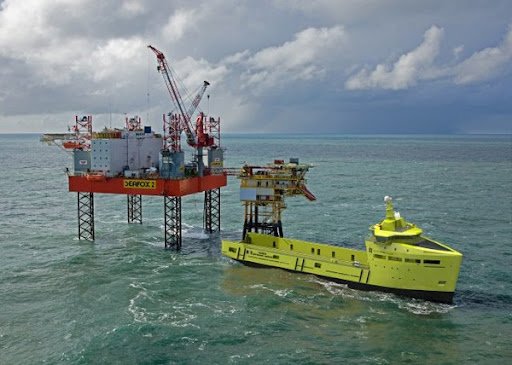

A PSV Vessel plays a vital role in offshore operations, quietly supporting platforms and rigs that operate far from shore. These vessels transport supplies, equipment, fuel, and essential materials that keep offshore installations running smoothly. While the vessel’s design and technology are important, the real strength of a PSV Vessel lies in its crew. Crew operations and safety are at the heart of every successful mission, especially in offshore environments where conditions can change rapidly.
Working on a PSV Vessel requires coordination, discipline, and constant awareness. Crews operate heavy equipment, manage complex logistics, and work in close proximity to the sea, often in challenging weather. This article explores how crew operations are organized on a PSV Vessel, how safety is built into daily routines, and why strong safety culture is essential for offshore success.
Understanding the Role of a PSV Vessel Crew
The crew of a PSV Vessel is responsible for much more than navigation. Each crew member plays a specific role that contributes to the safe and efficient operation of the vessel. From deck operations to engine room management, teamwork is essential.
Crew members must understand offshore procedures, platform requirements, and vessel capabilities. Operations are often time-sensitive, requiring precise coordination between the vessel, offshore installations, and onshore control teams.
A PSV Vessel crew operates as a unified system. Clear communication and defined responsibilities ensure that tasks are completed safely, even in demanding conditions.
Bridge Operations and Navigational Safety
The bridge is the operational center of a PSV Vessel. Officers on the bridge are responsible for navigation, positioning, and communication with offshore platforms. Navigational safety is critical, especially when operating close to fixed installations.
Bridge teams monitor weather, sea conditions, and vessel position continuously. They adjust speed and heading to maintain safe distances and ensure stable operations during cargo transfers.
Good bridge resource management supports safety by encouraging teamwork, shared awareness, and clear decision-making. A well-coordinated bridge team reduces the risk of collision, grounding, or loss of control.
Dynamic Positioning and Crew Responsibility
Many PSV Vessels use dynamic positioning systems to maintain position without anchoring. This technology allows the vessel to hold steady near offshore platforms using thrusters and propulsion systems.
Crew members operating dynamic positioning systems must be highly trained. Even small errors can lead to unsafe movement toward platforms or equipment.
Safety during dynamic positioning relies on constant monitoring, system redundancy, and clear procedures. Crew awareness and discipline ensure that the vessel responds correctly to environmental forces such as wind and waves.
Deck Operations and Cargo Handling Safety
Deck operations are among the most hazardous activities on a PSV Vessel. Cargo handling involves heavy loads, moving equipment, and close coordination with offshore platforms.
Crew members working on deck follow strict procedures to manage risk. Clear communication between deck crew and crane operators is essential. Signals and instructions must be precise to avoid accidents.
Deck surfaces can become slippery due to water, oil, or weather conditions. Proper footwear, awareness, and housekeeping are critical for preventing slips and falls.
Read Also: Company Formation Process Explained for Entrepreneurs and Startups
Load Management and Stability Awareness
Maintaining vessel stability is a key safety concern during cargo operations. A PSV Vessel carries various types of cargo, including deck cargo and bulk materials.
Crew members must understand how cargo placement affects vessel balance. Improper loading can lead to dangerous stability conditions, especially in rough seas.
Load planning and monitoring help ensure that weight is distributed correctly. This awareness protects both the crew and the vessel during operations.
Engine Room Operations and Safety Culture
The engine room supports the vessel’s propulsion, power generation, and essential systems. Engine room crew members work with complex machinery that requires constant attention.
Safety in the engine room depends on routine inspections, proper maintenance, and adherence to procedures. Crew members must be alert to signs of overheating, leaks, or unusual vibrations.
Clear communication between the engine room and the bridge ensures that propulsion and power systems respond effectively to operational demands.
Emergency Preparedness on a PSV Vessel
Emergencies offshore require immediate and organized response. A PSV Vessel crew is trained to handle scenarios such as fire, flooding, medical emergencies, and equipment failure.
Emergency preparedness starts with drills and training. Crew members regularly practice emergency procedures to ensure quick reaction under pressure.
Clear emergency roles allow crew members to respond without confusion. Knowing who is responsible for specific actions reduces response time and improves safety outcomes.
Fire Safety and Prevention Measures
Fire is one of the most serious risks on any vessel. On a PSV Vessel, fire safety is addressed through design, equipment, and crew training.
Crew members follow strict rules regarding hot work, fuel handling, and electrical safety. Fire detection systems and suppression equipment are maintained and tested regularly.
Quick identification and response are essential. Crew members are trained to contain fires early and protect critical systems and living spaces.
Personal Protective Equipment and Daily Safety Practices
Personal protective equipment plays a major role in crew safety. Helmets, gloves, safety boots, and protective clothing reduce injury risk during operations.
Daily safety practices reinforce awareness. Toolbox talks and safety briefings ensure that crew members understand potential hazards before starting work.
A strong safety culture encourages crew members to speak up about risks. Open communication helps prevent accidents before they occur.
Fatigue Management and Crew Well-Being
Fatigue can compromise judgment and reaction time. On a PSV Vessel, managing fatigue is essential for maintaining safety.
Work schedules are designed to allow adequate rest, even during busy operations. Crew members are encouraged to report fatigue without fear of penalty.
Comfortable accommodation, proper lighting, and noise control support rest and recovery. Crew well-being directly influences operational safety and performance.
Communication and Team Coordination
Effective communication is central to safe operations on a PSV Vessel. Crew members rely on clear instructions and feedback to coordinate tasks.
Standard communication protocols reduce misunderstandings. Clear language and confirmation of instructions help ensure everyone shares the same understanding.
Strong teamwork builds trust and efficiency. When crew members work together smoothly, safety becomes a natural outcome rather than an enforced rule.
Safety Management Systems on a PSV Vessel
Safety management systems provide a structured approach to identifying and controlling risks. These systems guide daily operations and emergency response.
Crew members are trained to follow documented procedures and report incidents or near-misses. This feedback supports continuous improvement.
A well-implemented safety management system creates consistency and accountability across all operations on the vessel.
Training and Competence Development
Training is an ongoing process for PSV Vessel crews. Offshore operations evolve, and crew members must stay current with procedures and technology.
Regular training sessions reinforce skills and introduce new safety practices. Practical experience combined with formal training builds competence and confidence.
A skilled crew responds more effectively to challenges, reducing risk and improving overall vessel performance.
Environmental Awareness and Safe Operations
PSV Vessels operate in sensitive offshore environments. Crew members are responsible for preventing spills and minimizing environmental impact.
Safe handling of fuels and bulk materials protects both the environment and crew safety. Procedures emphasize careful monitoring and quick response to any irregularities.
Environmental responsibility is part of overall safety culture, reinforcing disciplined and attentive operations.
Learning From Incidents and Near-Misses
Incidents and near-misses provide valuable learning opportunities. Crew members are encouraged to report and discuss them openly.
Analyzing incidents helps identify weaknesses in procedures or training. This knowledge leads to improvements that enhance future safety.
A culture of learning strengthens crew confidence and reinforces commitment to safe operations.
FAQs About Crew Operations and Safety on a PSV Vessel
What does a PSV Vessel crew do?
The crew operates and maintains the vessel, handles cargo operations, supports offshore platforms, and ensures safe navigation and positioning.
Why is safety so important on a PSV Vessel?
PSV Vessels operate close to offshore installations and handle heavy equipment, making safety essential to protect lives and assets.
How are crews trained for emergencies?
Crew members participate in regular drills and training sessions to prepare for fire, flooding, medical emergencies, and other scenarios.
What are the main risks during deck operations?
The main risks include heavy loads, moving equipment, slippery surfaces, and coordination with cranes and platforms.
How does fatigue affect crew safety?
Fatigue reduces alertness and decision-making ability, increasing the risk of accidents. Proper rest and scheduling help manage this risk.
Conclusion
Crew operations and safety on a PSV Vessel are built on preparation, teamwork, and discipline. Every task, from navigation to cargo handling, depends on clear procedures and shared responsibility. Offshore environments present unique challenges, but a well-trained crew supported by strong safety systems can manage these risks effectively.
A PSV Vessel is more than a support ship. It is a workplace where safety culture, communication, and professionalism shape daily operations. By prioritizing crew well-being and preparedness, PSV Vessels continue to play a crucial role in offshore operations while protecting the people who make that work possible.


 By
By