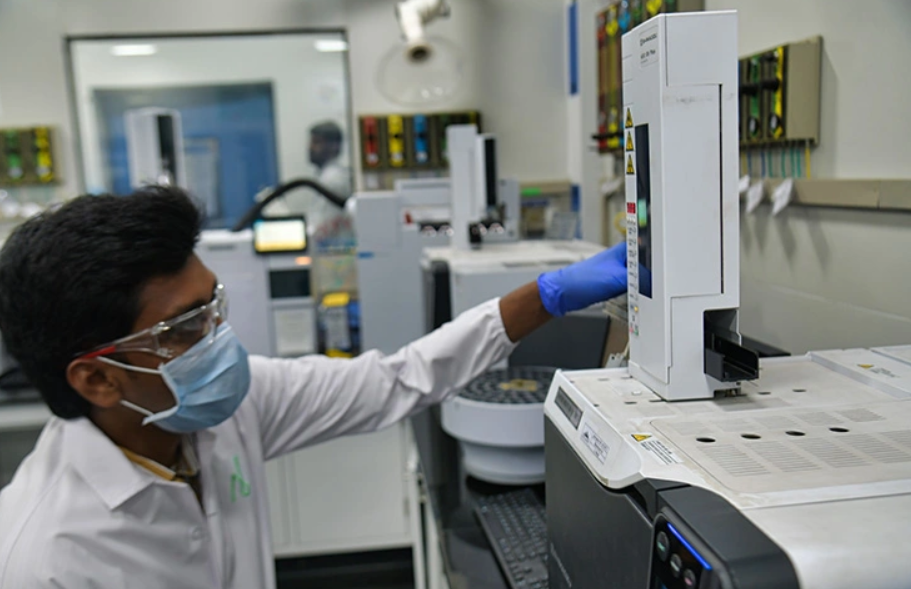

Understanding Peptides and Their Role in Modern Science
Peptides are short chains of amino acids that act as essential building blocks in biological systems. They play a vital role in regulating hormones, supporting immune responses, and enabling cell communication. Over the past two decades, peptides have gained significant attention due to their precision, safety, and effectiveness in therapeutic and diagnostic applications.
What Are Peptides?
Peptides are smaller than proteins but highly specific in function. Because of their targeted activity, they are widely used in pharmaceuticals, biotechnology, and laboratory research.
Importance of Peptides in Research and Medicine
From cancer treatments to metabolic disorder therapies, peptides provide solutions where traditional small-molecule drugs fall short. Their adaptability allows scientists to design highly selective compounds with fewer side effects.
What Is a Peptide Synthesis Company?
A peptide synthesis company specializes in producing custom-designed peptides for research, clinical trials, and commercial applications. These organizations combine chemistry, automation, and strict quality control to deliver precise peptide sequences tailored to client needs.
See also: Benefits of Home Automation
Core Functions and Responsibilities
Such companies handle peptide design, synthesis, purification, and analytical validation. They also ensure peptides meet required purity levels and regulatory standards.
Industries Served by Peptide Manufacturers
- Pharmaceutical and biopharmaceutical companies
- Academic research institutions
- Biotechnology startups
- Diagnostic and medical device companies
Types of Peptide Synthesis Techniques
Solid-Phase Peptide Synthesis (SPPS)
SPPS is the most widely used method due to its efficiency and scalability. It allows step-by-step assembly of amino acids on a solid resin, making purification easier and faster.
Liquid-Phase Peptide Synthesis
This traditional method is useful for large-scale production but requires more complex purification steps.
Hybrid and Advanced Methods
Modern providers often use hybrid techniques, combining automation, microwave-assisted synthesis, and green chemistry approaches to improve yield and reduce waste.
Quality Standards and Regulatory Compliance
GMP vs Research-Grade Peptides
Good Manufacturing Practice (GMP) peptides are produced under strict regulatory conditions for clinical use, while research-grade peptides are suitable for laboratory studies.
Purity, Testing, and Documentation
Reliable providers conduct rigorous testing such as HPLC and mass spectrometry. Regulatory guidance from organizations like the U.S. Food and Drug Administration (FDA) helps ensure safety and consistency (see FDA peptide manufacturing guidelines).
Custom Peptide Synthesis Services Explained
Sequence Design and Optimization
Experts assist in optimizing peptide sequences for stability, solubility, and biological activity.
Modifications and Labeling Options
Common modifications include cyclization, PEGylation, and fluorescent labeling to enhance performance in experiments.
Applications Across Biotechnology and Healthcare
Drug Discovery and Development
Peptides are used as lead compounds and therapeutic agents due to their specificity and predictable behavior.
Diagnostics and Vaccines
Synthetic peptides help detect diseases and support vaccine development through targeted immune responses.
Academic and Industrial Research
Researchers rely on consistent, high-purity peptides to ensure reproducible results.
How to Choose the Right Peptide Synthesis Partner
Technical Expertise and Infrastructure
Look for advanced equipment, skilled chemists, and proven experience across diverse projects.
Turnaround Time and Scalability
A dependable partner should handle both small research batches and large-scale production efficiently.
Customer Support and Confidentiality
Clear communication, data protection, and intellectual property security are essential.
Benefits of Working With an Experienced Provider
- High-quality, reproducible results
- Reduced development timelines
- Access to expert scientific guidance
- Compliance with global regulations
Challenges in Peptide Manufacturing
Common challenges include sequence complexity, solubility issues, and maintaining consistency at scale. Experienced providers mitigate these risks through advanced planning and validation.
Future Trends in Peptide Synthesis
Automation, artificial intelligence, and sustainable chemistry are shaping the future of peptide manufacturing. These innovations promise faster production, lower costs, and improved environmental impact.
Frequently Asked Questions (FAQs)
1. What does a peptide synthesis company do?
It designs, manufactures, purifies, and tests peptides for research and medical use.
2. Are custom peptides safe for research?
Yes, when produced under proper quality standards and used as intended.
3. How long does peptide synthesis take?
Turnaround times vary from a few days to several weeks, depending on complexity.
4. What purity level is typically required?
Most research peptides range from 95%–98% purity.
5. Can peptides be modified?
Yes, modifications enhance stability, detection, or biological activity.
6. Do peptide providers follow regulations?
Reputable companies comply with GMP and international regulatory guidelines.
Conclusion: Why the Right Choice Matters
Selecting the right peptide synthesis company is critical for scientific success. Quality, expertise, and reliability directly impact research outcomes and product development. By partnering with an experienced provider, organizations gain confidence, efficiency, and long-term value in their scientific endeavors.


 By
By