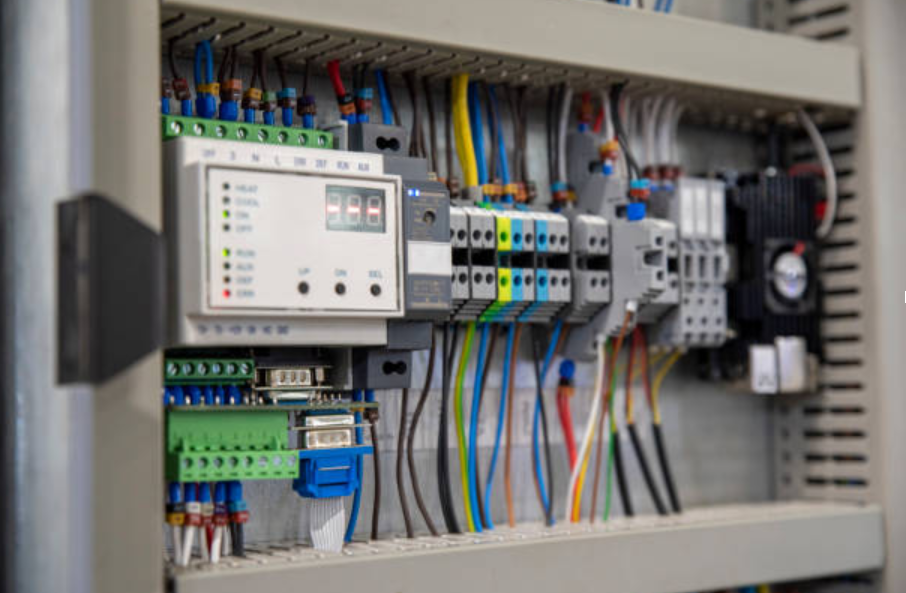

The electric main switch board is the backbone of any electrical system. It is responsible for receiving power from the utility supply and distributing it safely across a building. Whether in residential complexes, commercial facilities, or industrial units, the main switch board plays a critical role in maintaining electrical safety, operational continuity, and energy efficiency.
Over time, electrical demands increase, components age, and safety standards evolve. A switch board that once performed reliably may no longer be suitable for current loads or compliance requirements. Ignoring early warning signs can lead to power failures, equipment damage, or serious safety hazards.
Understanding the indicators that your electric main switch board needs immediate inspection or upgrade can help prevent costly issues and ensure safe power distribution.
Why the Condition of the Main Switch Board Matters
The main switch board is not just a collection of switches and breakers. It performs several essential functions, including
• Protecting circuits from overloads and short circuits
• Distributing power evenly across different areas
• Isolating electrical supply during faults or maintenance
• Supporting load management and future expansion
When the main switch board is outdated or malfunctioning, the entire electrical system becomes vulnerable. Regular inspections help identify issues early, but certain warning signs demand urgent attention.
Frequent Tripping of Circuit Breakers
One of the most common signs of switch board trouble is frequent circuit breaker tripping. While breakers are designed to trip as a safety measure, repeated occurrences indicate underlying problems.
Possible causes include
• Overloaded circuits due to increased power demand
• Deteriorated breakers that no longer function correctly
• Poor internal connections or faulty wiring
• Imbalanced load distribution
If resetting breakers becomes a regular activity, the switch board may not be capable of handling the current electrical load. An inspection can determine whether redistribution, component replacement, or a full upgrade is required.
Burning Smell or Signs of Heat Damage
A burning odor near the main switch board should never be ignored. It often indicates overheating components, which can quickly escalate into fire hazards.
Visible signs of heat damage may include
• Discolored or melted insulation
• Scorch marks around breakers or busbars
• Warped plastic components
• Brittle or cracked wiring
Overheating usually occurs due to loose connections, aging materials, or undersized components. Immediate inspection is critical to identify the source of heat and prevent further damage.
Unusual Sounds from the Switch Board
Electrical systems typically operate silently. Buzzing, humming, crackling, or popping sounds coming from the main switch board are warning signals.
These sounds may result from
• Loose internal connections
• Arcing between components
• Failing breakers or contactors
• Excessive electrical load
Audible noises suggest that electrical current is not flowing smoothly. Left unaddressed, these issues can cause component failure or increase the risk of electrical fires.
Visible Corrosion or Moisture Ingress
Moisture is a serious threat to electrical systems. If the main switch board shows signs of corrosion or water exposure, it requires immediate attention. Visit Meta Power Solutions to explore options.
Indicators include
• Rust on metal components
• White or green residue on terminals
• Condensation inside the enclosure
• Damp or stained panel surfaces
Moisture can compromise insulation, weaken connections, and increase the likelihood of short circuits. This issue is especially common in outdoor installations or poorly ventilated areas.
Flickering or Fluctuating Power Supply
Inconsistent power supply is often linked to problems within the main switch board. Flickering lights, voltage fluctuations, or intermittent power loss should not be dismissed as minor inconveniences.
Common causes include
• Loose busbar connections
• Uneven load distribution
• Faulty main isolators
• Aging internal components
These issues can damage sensitive equipment, reduce energy efficiency, and indicate that the switch board is struggling to maintain stable power distribution.
Outdated Switch Board Design or Components
Electrical standards and safety regulations evolve over time. If your main switch board was installed many years ago, it may no longer meet current requirements.
Outdated switch boards often lack
• Adequate circuit protection
• Modern safety devices such as residual current protection
• Proper labeling and circuit identification
• Capacity for additional loads
Older systems may also use obsolete components that are difficult to replace. An upgrade ensures compliance with modern standards and improves overall reliability.
Insufficient Capacity for Current or Future Loads
As buildings expand and equipment becomes more power intensive, electrical demand increases. A main switch board designed for lower loads may become inadequate.
Warning signs of insufficient capacity include
• Overloaded circuits
• Excessive heat generation
• Limited space for additional breakers
• Frequent power interruptions during peak usage
An inspection can determine whether load balancing or a higher capacity switch board is necessary to support current and future needs.
Lack of Proper Labeling and Documentation
Clear labeling is essential for safe operation and maintenance. Poorly labeled or undocumented switch boards increase the risk of errors during troubleshooting or emergency situations.
Issues to look for include
• Missing or faded circuit labels
• Incorrect breaker identification
• No updated single line diagrams
• Unclear isolation points
An upgraded switch board with proper labeling improves safety and reduces downtime during maintenance or fault resolution.
Physical Damage or Wear and Tear
Over time, physical damage can compromise the integrity of the main switch board. This may occur due to accidental impact, vibration, or prolonged exposure to harsh conditions.
Signs of physical deterioration include
• Cracked or dented enclosures
• Loose doors or damaged locks
• Broken mounting hardware
• Exposed internal components
Structural damage can affect the board’s protective function and expose internal parts to dust or moisture.
Difficulty in Performing Maintenance or Repairs
If routine maintenance becomes complicated or risky, it may be time for an upgrade. Older switch boards often have congested layouts that make inspection and repairs challenging.
Maintenance challenges may include
• Limited access to components
• Lack of isolation for individual circuits
• Non modular design
• Incompatible replacement parts
Modern switch boards are designed for easier access, improved safety, and simplified maintenance procedures.
Compliance Issues Identified During Inspections
Periodic electrical inspections may reveal non compliance with current codes or standards. These findings should be addressed promptly.
Common compliance issues include
• Inadequate fault protection
• Improper earthing or grounding
• Insufficient clearances
• Absence of required safety devices
Upgrading the main switch board helps ensure adherence to regulatory requirements and reduces liability risks.
See also: Cash Flow Challenges in the Gig Economy and How Cash Advances Help
Increased Downtime or Operational Disruptions
Unplanned downtime can be costly, especially in commercial or industrial environments. If electrical disruptions become frequent, the main switch board could be a contributing factor.
Symptoms include
• Unexpected power outages
• Delayed system restarts
• Equipment tripping without apparent cause
• Inconsistent performance across circuits
A thorough inspection can identify weaknesses in the switch board that affect overall system reliability.
Safety Concerns for Occupants and Equipment
Ultimately, the most important reason to inspect or upgrade a main switch board is safety. Electrical faults pose risks not only to property but also to people.
Safety related warning signs include
• Exposed live parts
• Inadequate enclosure protection
• Absence of emergency isolation
• Poor ventilation leading to heat buildup
Addressing these concerns proactively helps create a safer environment for occupants and protects valuable equipment.
Benefits of Timely Inspection and Upgrade
Recognizing the warning signs early allows for planned improvements rather than emergency repairs. Benefits include
• Enhanced electrical safety
• Improved system reliability
• Better energy management
• Compliance with current standards
• Reduced risk of costly failures
A modern electric main switch board supports efficient power distribution while accommodating evolving electrical demands.
Conclusion
The electric main switch board is a critical component that often goes unnoticed until problems arise. Frequent breaker trips, overheating, unusual sounds, corrosion, outdated design, and capacity limitations are clear indicators that immediate inspection or upgrade is necessary.
Ignoring these warning signs can lead to serious safety hazards, operational disruptions, and expensive repairs. Regular evaluation of the main switch board ensures that it continues to perform its essential role safely and effectively, supporting the electrical needs of today while preparing for the demands of tomorrow.


 By
By